
1
Exception queue
Exceptions become owned work items instead of chat archaeology.

SolveMotive
From motive to operable release
Product concept
This concept shows how dispatch, tracking, and alerts can become one control tower for teams coordinating warehouse and fleet activity.
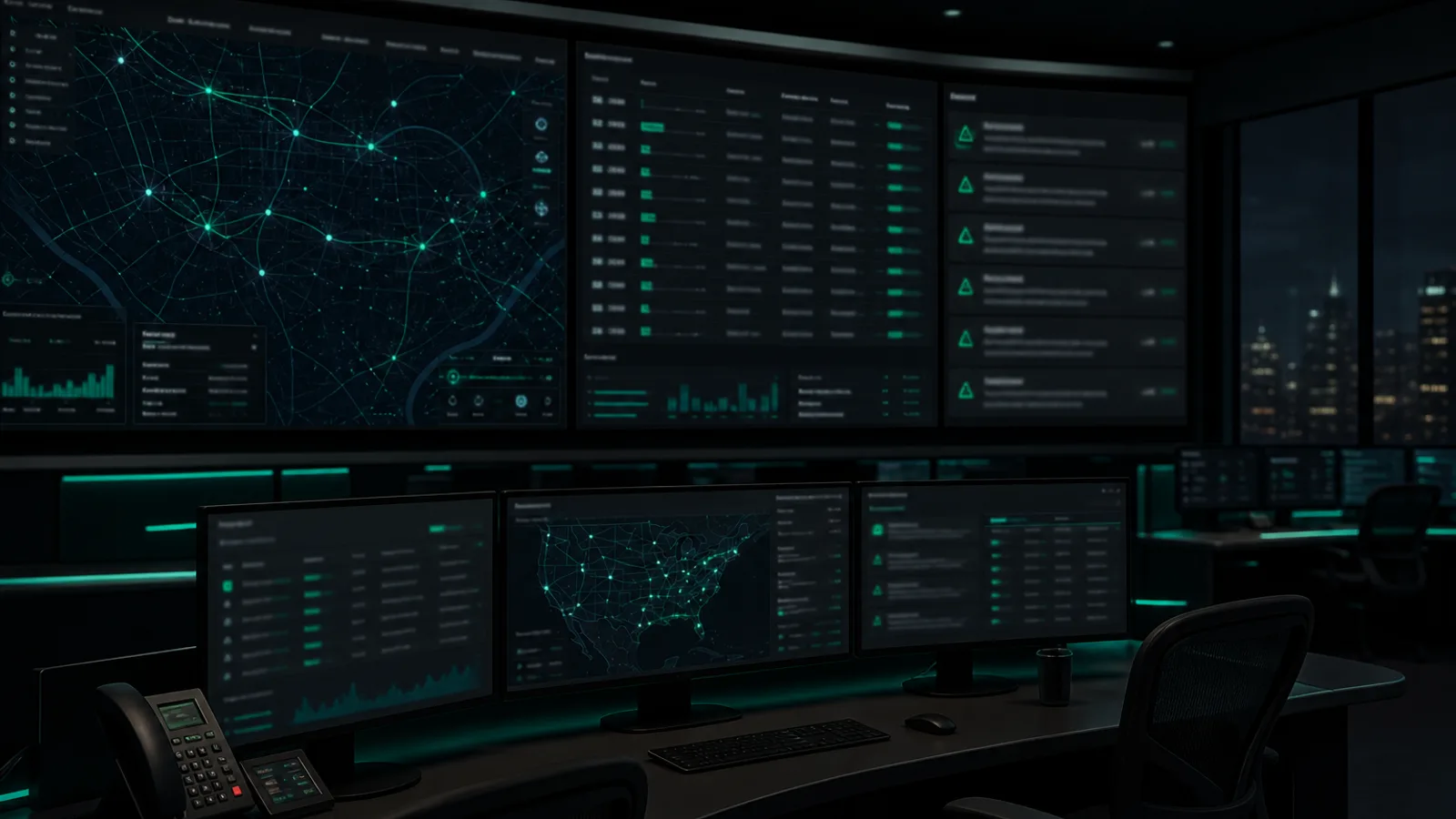
Ops tower concept
Logistics · Exception queue
A representative concept exploring workflows, system boundaries, and product decisions. It does not claim a named client or performance result.
Live signal stack
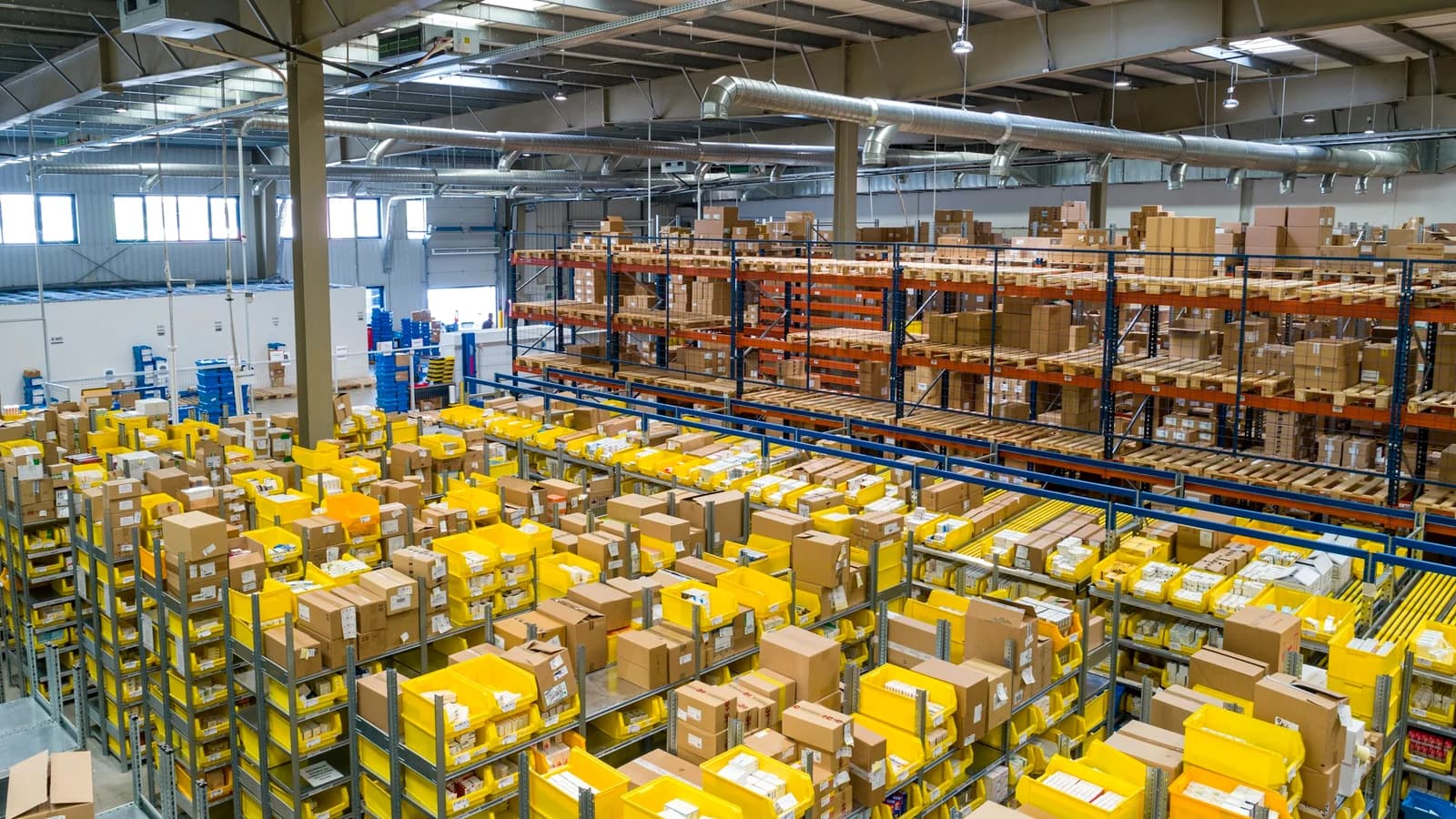
Domain context · Logistics warehouse context
Motive
Dispatchers, warehouses, and carriers each hold a partial shipment story, so exceptions surface late and without a clear owner.
Operations needs one shipment-state contract that turns fragmented events into actionable alerts for desk and field roles.
A control tower where delayed, duplicate, and conflicting events still resolve into owned next actions.
Treat shipment status as a shared product contract, not a map overlay or a carrier console dump.
Threshold alerts with owners so the tower queues work instead of flooding operators with noise.
Serve desktop planning boards and mobile field workflows from the same timeline without forcing one UI.
Product principles
Logistics actors
Dispatchers, field leads, warehouse supervisors, and customer ops each act on different slices of a move. The tower holds one shipment contract so exceptions name an owner across those roles.
InterfaceRuns the desk board against canonical shipment state—assigning owners, clearing thresholds, and acting on exception queues.
System shape
A shipment-state hub fans out to WMS, carriers, maps and events, and tower clients for desk and field work.
Technology map
Why these layers show up in the concept—not a shopping list of logos. Browse the full catalog.
Desk planners need dense boards while field roles need lighter mobile workflows from the same APIs.
A dedicated state service owns transitions so WMS and carrier noise does not become UI truth.
Live position and exception fan-out belong on streams, with ETA confidence presented honestly.
Adapters absorb delayed and duplicate events before they pollute the canonical shipment contract.
Design signals
Illustrative product targets for planning conversations—not measured client results.
1
Exception queue
Exceptions become owned work items instead of chat archaeology.
Live
State freshness
Operators trust timestamps and source systems, not stale board screenshots.
3+
Signal sources
TMS, telemetry, and partner feeds normalize into one operational view.
SLA
Severity model
Noise and judgment work are separated before automation scales.
Exception mix
Relative load before vs after a unified exception model—planning sketch only.
Focus mix
Where early engineering time should concentrate.
The operating problem
Warehouse systems, carrier feeds, and dispatch boards often disagree on where a shipment is and what should happen next. Operators spend their day reconciling timestamps, chasing phone updates, and guessing which tool is least wrong. Customers and partners ask for ETAs that nobody can defend because the inputs conflict.
Alert volume makes the problem worse. When every delay fires the same severity, teams learn to ignore the board. Exceptions without owners become ambient anxiety instead of recovery work. Field and desk operators need different density and interaction patterns, yet many products force one overloaded dashboard on everyone.
Integrations arrive late and incomplete. Delayed, duplicate, and out-of-order events are treated as edge cases instead of the normal path. Without a shared shipment state contract, each new carrier or warehouse system invents another dashboard and another source of truth fight.
The product approach
Start by defining shipment status as a shared contract: transitions, ownership of each field, and how late or duplicate events reconcile. Dispatch, live tracking, and exception recovery should read from that contract rather than stitching views at render time.
Design alerts around actionability. Thresholds should match operational risk, name an owner, and suggest a recovery path. Desk planners get density and filters. Drivers and floor teams get focused steps with tolerance for interrupted connectivity when mobile workflows are in scope.
Phase delivery so the state service and exception center prove value before every map flourish. Document integration adapters, idempotency, and staleness presentation early. Expand carriers and mobile surfaces once the operational picture is trusted.
Product judgment
Live maps alone are not enough. Dispatch, warehouse, and fleet teams need one shipment contract and alerts that point to owners, not noise. Status lag turns small delays into expensive escalations.
Warehouse, dispatch, and tracking tools must agree on statuses and transitions or operators rebuild reality by hand.
A control tower that only aggregates screens still leaves teams arguing about truth. Canonical status, assignment, and event history should live in one domain service. Downstream clients render that contract. When tools disagree, reconciliation rules decide which event wins and how conflicts are shown, not ad hoc operator judgment under pressure.
Thresholds should match operational risk so the board points to owners instead of training teams to ignore noise.
Define what constitutes a delay, a miss, and a customer-visible risk before wiring notifications. Each alert needs severity, owner, and a plausible next action. Suppress duplicates from flapping feeds. Allow planners to snooze with reason when a recovery plan is already underway so the queue stays honest.
Carrier and WMS feeds are messy. Reconciliation and idempotency belong in the core design.
Events arrive late, twice, or out of order. Adapters must be idempotent and time-aware. The UI should mark stale location or ETA confidence instead of implying precision the feeds cannot support. Replay and backfill paths matter as much as happy-path streaming for day-two operations.
Planners need density and filters. Drivers and floor teams need focused steps and offline tolerance.
One overloaded map fails both audiences. Control tower desktop views prioritize exception queues, capacity, and multi-shipment context. Mobile workflows, when included, should emphasize the current assignment, confirmation steps, and recovery when connectivity drops. Shared state keeps those surfaces aligned without sharing the same layout.
Loading, dispatch, and in-transit events must compose a single shipment narrative operators can trust.
If outbound readiness is invisible to dispatch, or carrier scans never update warehouse expectations, handoffs fail. Model warehouse milestones and transportation milestones as ordered contributors to the same shipment timeline. Surface gaps where an expected event never arrived so recovery starts before customers escalate.
Trustworthy status communication beats optimistic precision that collapses under the first conflict.
Show the latest reconciled inputs and the freshness of those inputs. When feeds conflict or go stale, say so. Customer ops should be able to explain a delay from the same picture planners use, without pinging every internal team for a private spreadsheet version of the truth.
Build path
A sequence that proves shipment truth and recovery before expanding maps, carriers, and mobile surfaces.
Flow at a glance
Step 01
Agree which system owns each field and transition. Inventory current WMS, TMS, carrier, and manual override paths with operations leads.
ArtifactShipment state glossary and source-of-truth matrix
Step 02
Translate delay, miss, and customer-risk definitions into alert rules, severities, and recovery playbooks before building notification plumbing.
ArtifactException catalog and escalation playbook
Step 03
Ingest priority events, reconcile duplicates, and expose a timeline APIs and boards can trust even when upstream systems lag.
ArtifactShipment state service with reconciliation rules
Step 04
Give planners assignment context and a prioritized recovery queue on the same underlying contract, with clear staleness indicators.
ArtifactControl tower MVP for desk operators
Step 05
Add carrier and warehouse adapters, then optional driver or floor mobile workflows once the operational picture is trusted.
ArtifactAdapter pack and field workflow backlog
Layer decisions
Canonical movement status, assignments, and event history shared across ops surfaces.
Adapters for warehouse and transportation events with reconciliation for late or duplicate updates.
Live board and map updates with alert evaluation against defined thresholds and owners.
Dispatch, exception, and tracking experiences tailored for desk operators and optional mobile workflows.
Traps to avoid
Pretty tracking that still disagrees with warehouse and dispatch tools forces operators back to spreadsheets and phone trees.
High volume without owners or severity trains teams to ignore the signals that matter when recovery time is short.
Ignoring late, duplicate, and out-of-order updates guarantees conflicting timelines and false ETAs under real load.
Dense planner boards overwhelm drivers and floor staff. Focused mobile steps without shared state create a second fragmented truth.
How we would approach it
Phase 1
Lock shipment vocabulary, source ownership, and alert definitions with operations before building surfaces.
Phase 2
Stand up the state service, priority ingest paths, and a dispatch plus exception experience operators can trust.
Phase 3
Add remaining warehouse and carrier adapters, live map context, and operational runbooks for feed incidents.
Phase 4
Introduce optional driver or warehouse mobile flows and prepare the contract for additional carriers without new dashboards.
Conceptual outcomes
These are product outcomes to design toward, not claimed client results.
Warehouse, fleet, and dispatch share shipment truth instead of competing tool views.
Delays and misses surface with owners and next actions before customers escalate.
ETAs and updates are grounded in reconciled events rather than optimistic guesses.
New carriers or warehouse systems can join the same contract without inventing another dashboard.
Discovery checklist
Decision guide
Decide whether WMS, TMS, carrier APIs, or the control tower itself owns each field and transition.
Define what constitutes a delay, a miss, and a customer-visible risk before wiring notifications.
Clarify whether drivers or warehouse staff need dedicated apps in the first release or later.
Common questions
Answers about this logistics product concept and how SolveMotive approaches similar work.
No. It is a representative product concept and does not claim a client identity or operational KPI result.
Yes. Real engagements start by mapping those systems, update cadence, and reconciliation needs before building the control tower experience.
They can be included when the operating model needs them. Many projects pair a control tower with focused mobile workflows for field or floor teams.
Show the latest reconciled inputs and avoid implying precision the feeds cannot support. When data is stale or conflicting, the UI should say so.
Reconciliation rules choose an authoritative interpretation, record the conflict, and surface uncertainty to operators. Silent last-write-wins behavior usually creates false confidence.
Usually not in the first release. The stronger pattern is a shared shipment contract and exception layer that sits across existing systems, then deepen ownership only where the operating model requires it.
Still stuck on a specific constraint? Book a scoping call →
Operational software that helps teams coordinate movement, status, exceptions, and decisions.
Commerce experiences that connect discovery, purchase, fulfillment, and ongoing operations.
Thoughtful iOS and Android applications designed around the mobile context.