
Evidence-led framing
Research and prototyping target the uncertainties that matter most.

SolveMotive
From motive to operable release
UI/UX design
We connect user needs, business goals, and technical constraints to design interfaces people can use with confidence.
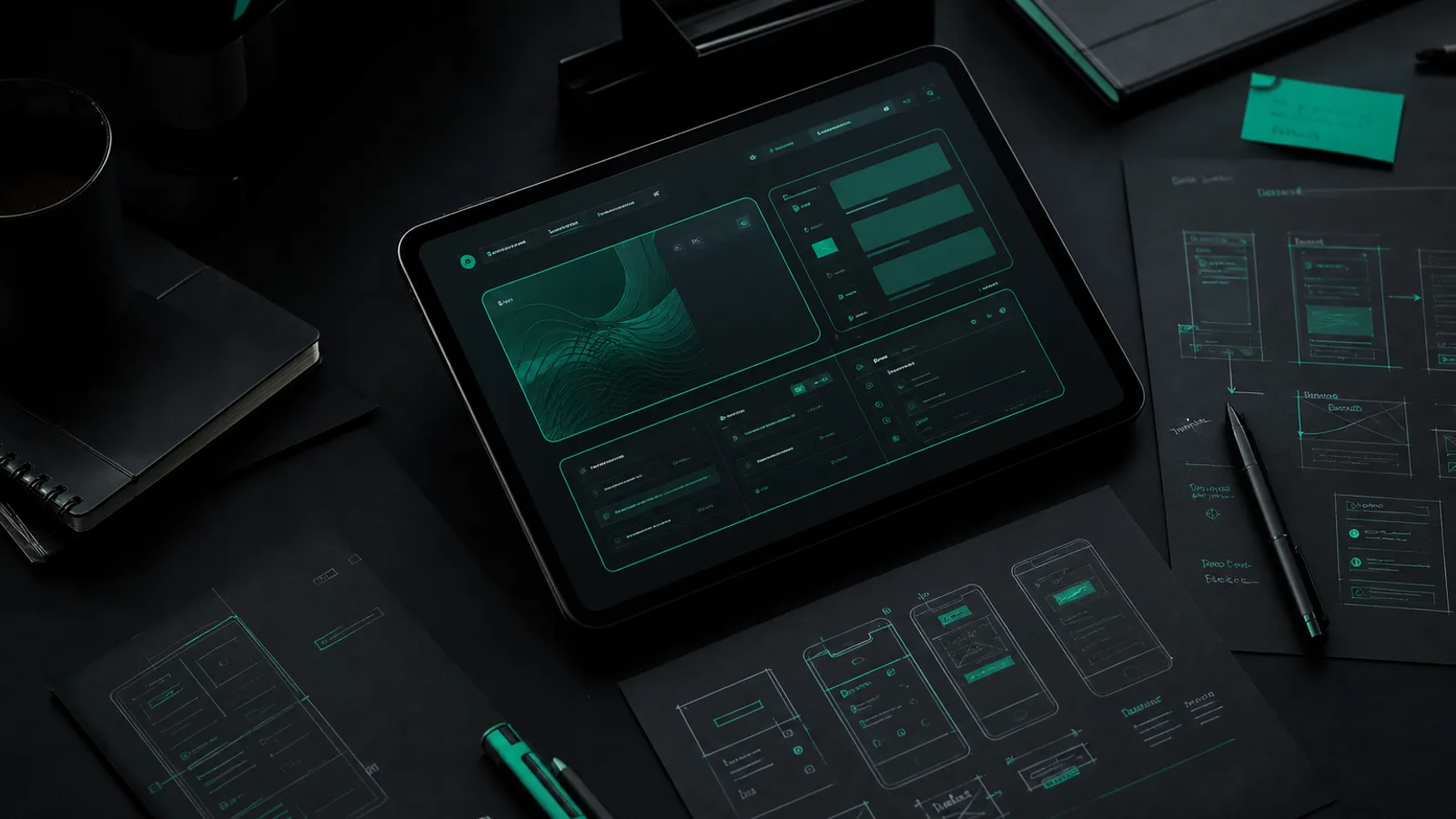
Built for real delivery
Research-informed interfaces that make complex products easier to understand and use.
Focus tags
Capabilities
Scan the map, then open a focused page or stay on this practice for the full engagement model.
Engagement overview
Strong interface work starts with a research question and ends with implementation-ready detail: flows, states, components, and acceptance criteria developers can trust.
We design new products and improve existing ones with evidence from users, accessibility needs, and the constraints of your platform.
Who we help
Domain outcomes
Research and prototyping target the uncertainties that matter most.
Empty, error, loading, and edge states are designed with the happy path.
Components, tokens, and patterns reduce inconsistency across screens.
Specs and assets reach implementation with clear behavior and acceptance criteria.
Capabilities
Final choices follow your operating model and constraints. These are common foundations for ui/ux design work.
Plan the engagement
Resolve these boundaries early so scope and architecture follow the actual product context.
State the behavior or uncertainty each interview, test, or prototype is intended to clarify.
Inventory reusable patterns, content states, accessibility needs, and platform constraints.
Agree how interaction details, assets, tokens, and acceptance criteria reach implementation.
Design capabilities
Interviews, workflow mapping, and requirement framing that clarify the design problem.
User flows, wireframes, prototypes, and interface states for complete paths.
Reusable components and guidance that improve consistency across product teams.
Design delivery
Design work connects research questions to flows, prototypes, reusable interface patterns, and implementation-ready detail.
Identify the users, workflows, assumptions, and evidence needed to make the next product decision.
Cover primary tasks, edge cases, content states, responsive behavior, and accessibility requirements.
Deliver components, tokens, assets, interaction notes, and acceptance criteria with a review workflow.
Common questions
Answers to common questions about working with SolveMotive on ui/ux design.
Deliverables may include research findings, workflow maps, user flows, wireframes, interactive prototypes, visual designs, component systems, assets, and implementation notes.
Yes. We can focus on specific workflows using product evidence, usability review, accessibility needs, design consistency, and technical constraints.
We align component behavior, responsive states, content, accessibility criteria, tokens, assets, and review checkpoints so implementation decisions remain visible.
We can deliver design alone or stay involved through build review so interaction details and edge cases survive implementation.
Yes. We adapt to brand guidelines, extend them where needed, and call out conflicts with usability or accessibility early.
Still stuck on a specific constraint? Book a scoping call →
A care-team and patient portal concept for scheduling, task handoffs, secure messaging, and progress visibility.
Fast, accessible websites and web applications built for real users and measurable goals.
Thoughtful iOS and Android applications designed around the mobile context.