
Care-centered workflows
Workflows reflect how clinicians, staff, and patients actually collaborate.

SolveMotive
From motive to operable release
Healthtech
We help healthtech teams turn complex care pathways and operational requirements into accessible, dependable software.
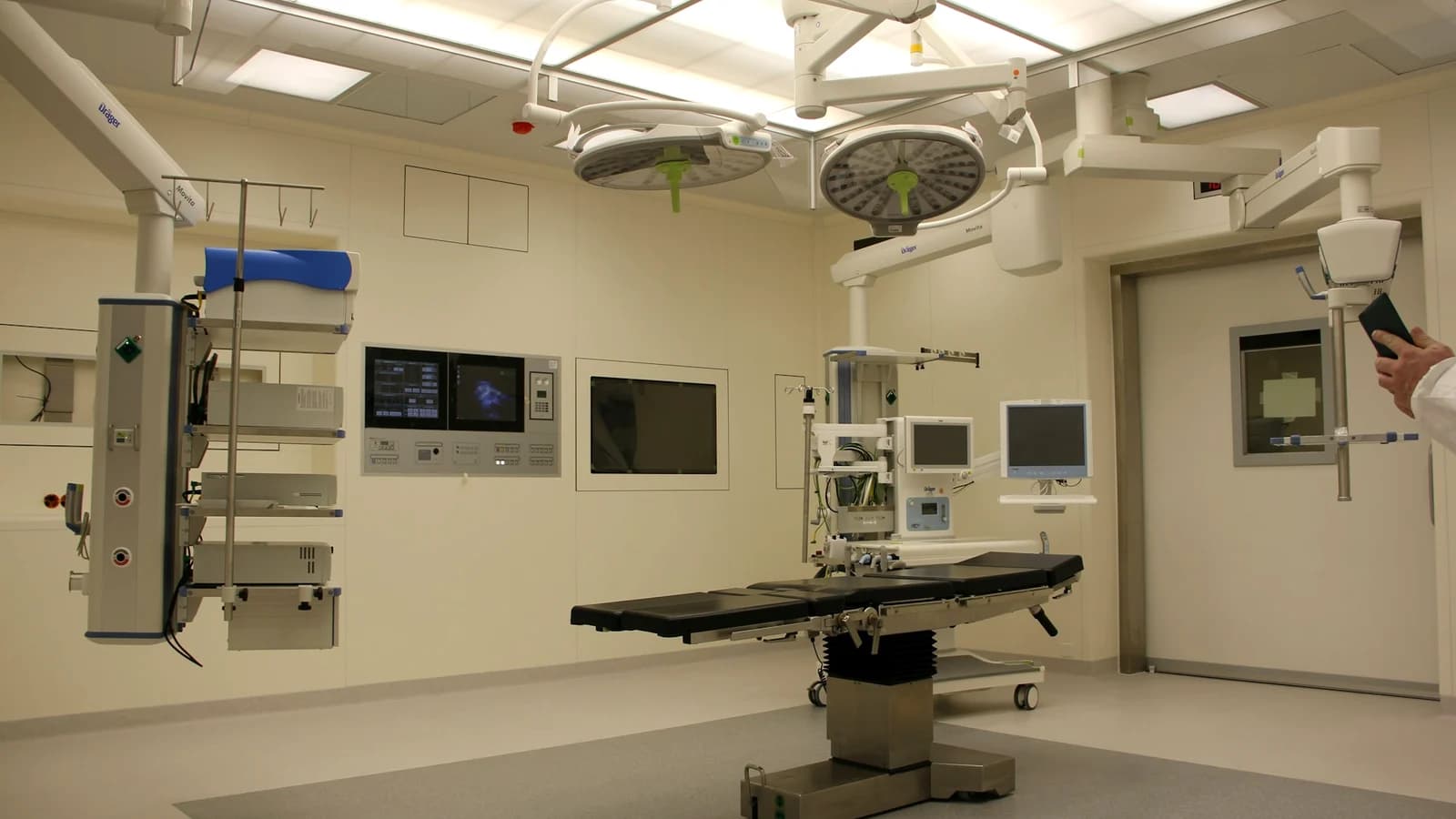
Healthtech in practice
Human-centered digital health products designed around privacy and demanding clinical workflows.
Focus areas
Industry overview
Healthtech software succeeds when care teams and patients can complete sensitive workflows without friction, ambiguity, or avoidable data exposure.
We help design patient apps, care-coordination tools, and health data integrations with clear consent boundaries and operational ownership.
Useful products make ownership of next steps obvious, keep consent boundaries visible, and avoid burying clinicians in low-value noise.
Who we help
Domain outcomes
Workflows reflect how clinicians, staff, and patients actually collaborate.
Permissions, consent, and retention expectations shape architecture early.
Tasks, updates, and handoffs stay visible across the care pathway.
External systems connect through explicit contracts instead of fragile one-offs.
Capabilities
Final choices follow your operating model and constraints. These are common foundations for healthtech work.
Domain decisions
These operational boundaries should be defined with the people who own the workflow, risk, and applicable obligations.
Separate administrative support from decisions that require qualified clinical ownership.
Define who may see each category of health data, for what purpose, and for how long.
Design escalation, correction, downtime, and handoff states around real care operations.
Compliance support
Digital health products must protect sensitive data while keeping care workflows usable. We translate privacy and access obligations into architecture, consent boundaries, and auditability your teams can operate.
Relevant frameworks
Safeguards, access logging, and minimum-necessary patterns as defined by your compliance program.
Special-category data handling, retention, and subject rights where EU rules apply.
Operational security evidence around access, change management, and monitoring.
Role scopes, break-glass paths, and reviewable histories for care and support actions.
How we help in the product
Permissions, caregiver scopes, and patient-visible data are designed before screens so portals do not overshare by default.
Episode and task models create clear next-step ownership with audit trails that survive staff handoffs.
We implement the technical controls your compliance owners specify—authn/z, encryption in transit/at rest patterns, and actionable audit logs.
Adapters preserve source identity and failure modes so clinical systems of record stay authoritative while the product stays operable.
Where we help
Accessible onboarding, scheduling, communication, education, and self-service flows.
Workflow-focused interfaces that surface relevant information without adding needless friction.
Secure connections shaped around supported standards, permissions, and system boundaries.
Health products serve people in varied and often stressful contexts. We account for accessibility, clear language, error prevention, and recovery throughout the experience.
Applicable privacy and regulatory requirements must be established by the product owner and qualified advisers. We then incorporate those requirements into architecture and delivery.
Common questions
Answers to common questions about healthtech software development.
We can design systems around documented privacy, security, and data-handling requirements. The exact controls depend on the product, deployment context, and applicable obligations.
Yes. Accessibility is considered in content, interaction, visual design, and implementation, with the target standard agreed as part of scope.
Where the platform provides suitable interfaces, we can assess its APIs, standards support, authorization, and data constraints before defining the integration.
We can engineer toward the technical and process controls your compliance owners define. Certification and legal interpretation remain with your advisors and stakeholders.
Yes. Many engagements include both patient-facing flows and the operational tools care teams need to respond, schedule, and follow up.
Still stuck on a specific constraint? Book a scoping call →
Purpose-built software for complex workflows, products, and operational systems.
Research-informed interfaces that make complex products easier to understand and use.
A care-team and patient portal concept for scheduling, task handoffs, secure messaging, and progress visibility.