
Live operational picture
Status, location, and exceptions stay visible to the people who must act.

SolveMotive
From motive to operable release
Logistics
We turn fragmented logistics workflows into connected tools that clarify status, ownership, and exceptions.
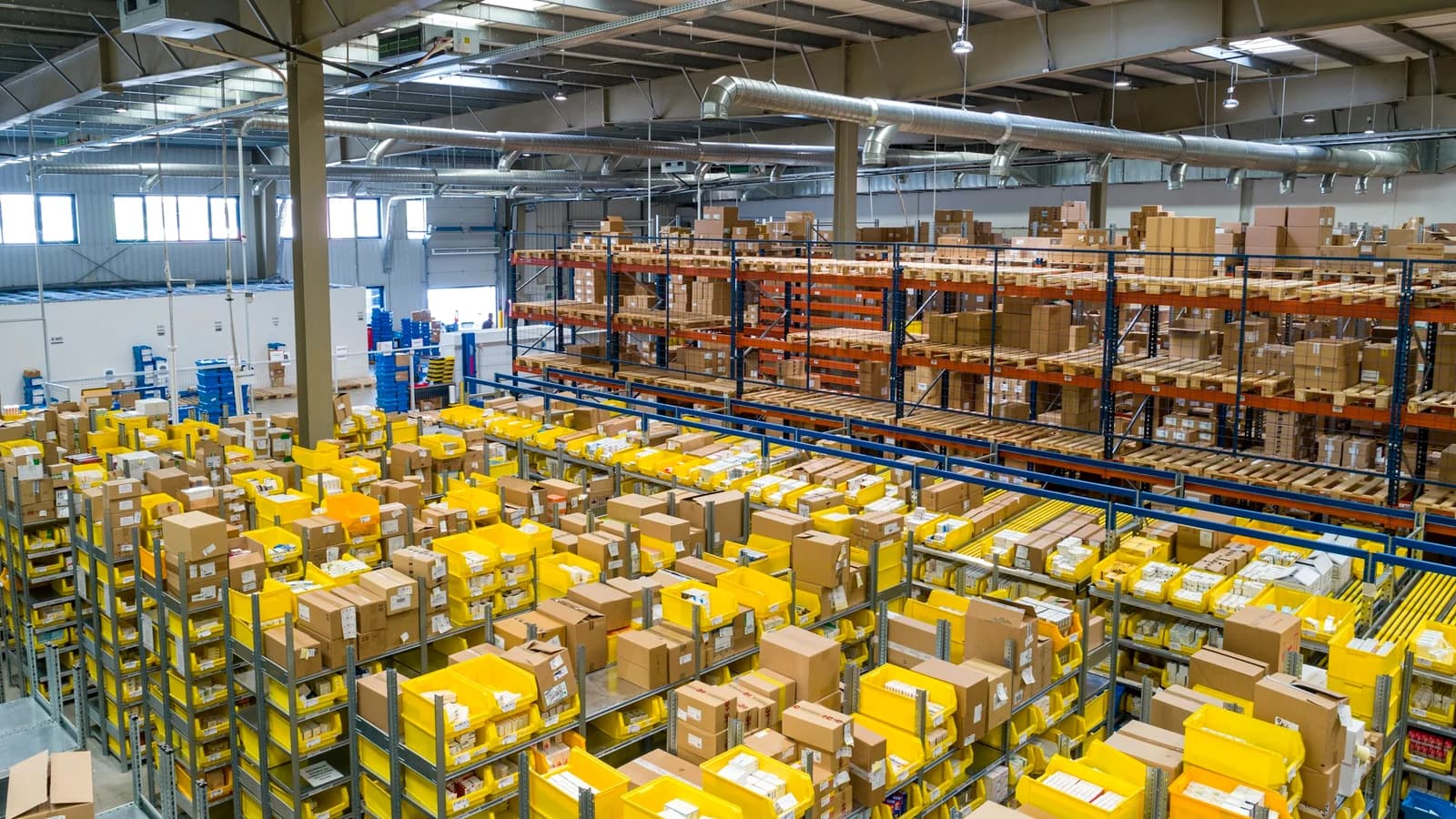
Logistics in practice
Operational software that helps teams coordinate movement, status, exceptions, and decisions.
Focus areas
Industry overview
Logistics products have to coordinate people, vehicles, inventory, and exceptions in real time. Ambiguous status or delayed updates quickly become expensive.
We help teams build dispatch tools, tracking experiences, and control-tower dashboards with integrations that match how operations actually run.
A reliable logistics product starts with a shared shipment state, clear assignment rules, and alerts that operators can act on.
Who we help
Domain outcomes
Status, location, and exceptions stay visible to the people who must act.
Assignment rules and handoffs are explicit enough to reduce thrash.
Warehouse, carrier, and order sources connect through reliable contracts.
Teams get notified about delays and exceptions before customers escalate.
Capabilities
Final choices follow your operating model and constraints. These are common foundations for logistics work.
Domain decisions
These operational boundaries should be defined with the people who own the workflow, risk, and applicable obligations.
Identify the authoritative status across dispatch, carrier, driver, warehouse, and customer systems.
Model delays, failed handoffs, missing scans, rerouting, and manual intervention explicitly.
Plan for weak connectivity, device variation, location accuracy, and time-sensitive updates.
Compliance support
Movement software processes location, customer, and partner data across regions and carriers. We focus on trustworthy state, auditable exceptions, and data-handling boundaries your operators can defend.
Relevant frameworks
Customer and driver personal data, retention, and cross-border processing constraints.
Access, monitoring, and change evidence for control-tower and integration platforms.
Where owners require regional storage or processing limits, architecture follows those constraints.
Shipment events, handoffs, and exception ownership preserved as reviewable history.
How we help in the product
Canonical status across WMS, carriers, and the tower reduces conflicting records that fail audits and customer commitments.
Alert taxonomy, assignees, and evidence attached to the shipment so delays and disputes have a defensible trail.
Role-scoped tracking and support views limit exposure of customer and driver data to what each job needs.
Idempotent ingest and reconciliation keep partner feeds from silently corrupting the operational record.
Where we help
Role-aware workflows for scheduling, assignment, handoffs, and status changes.
Useful internal and customer-facing views of location, milestones, and exceptions.
Data flows among order, warehouse, fleet, carrier, and communication systems.
Real operations face delays, partial information, handoffs, and changing priorities. We map these exception paths explicitly so the software supports recovery and accountability.
Mobile context, connectivity limitations, permissions, and audit history are considered according to the people and environments involved.
Common questions
Answers to common questions about logistics software development.
Often, yes. We first map the current workflow and data ownership, then define a staged system that improves the highest-friction areas without disrupting operations unnecessarily.
Yes, using suitable mapping and location services. We define update frequency, permissions, device behavior, and privacy requirements during discovery.
Yes. Permissions and role-specific workflows can support dispatchers, drivers, partners, customers, and administrators without exposing irrelevant actions or data.
No. Customs, trade, and contractual obligations stay with your business and advisers. We engineer shipment state, access controls, and audit trails that support the requirements they define.
Yes. We document data ownership, update frequency, failure modes, and reconciliation needs before connecting operational systems.
Often. Many logistics engagements include mobile workflows for field or floor teams alongside the control-tower experience.
Still stuck on a specific constraint? Book a scoping call →
Purpose-built software for complex workflows, products, and operational systems.
Thoughtful iOS and Android applications designed around the mobile context.
A control-tower concept for dispatch, live shipment status, exception alerts, and warehouse-to-fleet coordination.