

Surface
In this essay7 sections
Remote engineering partnerships succeed when location is treated as an operating detail, not a marketing costume. SolveMotive is based in Pakistan, and delivers remotely to clients worldwide. We do not claim US or UAE offices. What matters is whether collaboration, quality, security, and ownership work across time zones for your product.
Buyers comparing offshore and nearshore options often ask the same practical questions: How do we communicate? Who owns architecture decisions? How is code reviewed? What happens when priorities change? Clear answers beat slogans about global footprints.
What "remote worldwide delivery" should mean
Remote delivery is a system. It includes overlapping hours for decisions, written updates for async progress, shared tools for code and design, and escalation paths when blockers appear. A partner based in Pakistan can support USA, UAE, Europe, and other regions when rituals are designed for distributed work rather than improvised around ad hoc chats.
Set expectations about presence
Be explicit about where the company is based and how delivery works. SolveMotive is based in Pakistan. Engineering collaboration happens remotely. Travel can be arranged for specific workshops when useful, but day-to-day delivery does not depend on inventing local offices for optics.
Honesty about location builds trust. Teams evaluating partners should ask for the real operating model: legal entity, primary delivery base, working hours, and communication standards.
Evaluate partnership quality, not geography myths
Product and technical ownership
Ask who proposes architecture options, who documents tradeoffs, and who accepts releases. Strong remote partners participate in discovery, challenge weak requirements, and leave maintainable systems. Weak ones wait for tickets and accumulate silent risk.
Communication cadence
Agree which meetings are live, which updates are written, and how quickly questions get answered during overlap windows. Useful patterns include weekly planning, mid-week risk review, demo checkpoints, and a shared incident channel for production issues.
Engineering standards
Inspect how the team handles pull requests, tests, CI, branching, observability, and documentation. Remote work amplifies process quality. If quality only appears in slide decks, delivery will feel fragile within weeks.
Time zones as a design constraint
Pakistan time can offer useful overlap with Europe and parts of the Middle East, and a follow-the-sun rhythm with US teams when handoffs are written well. Design the calendar around decisions that need conversation and tasks that can move asynchronously.
Do not pretend every hour overlaps. Instead, protect a reliable overlap block for prioritization and unblocking, then use tickets, design notes, and pull request comments for the rest. That pattern scales better than endless meetings.
Security and access
Remote delivery requires disciplined access control: least privilege, SSO where possible, secrets management, device expectations, and offboarding checklists. Include these in onboarding, not as an afterthought after the first production deploy.
How to run a healthy engagement from Pakistan to worldwide stakeholders
Start with a short discovery to map goals, systems, constraints, and success metrics. Establish a single source of truth for backlog and decisions. Introduce engineers to the domain early so they can ask sharper questions. Keep product counterparts available enough that delivery does not stall on unanswered clarifications.
Commercial clarity helps too. Define what is fixed-scope project work versus capacity-based Hire Talent engagement. Staff augmentation and dedicated teams both work remotely when ownership boundaries are written down.
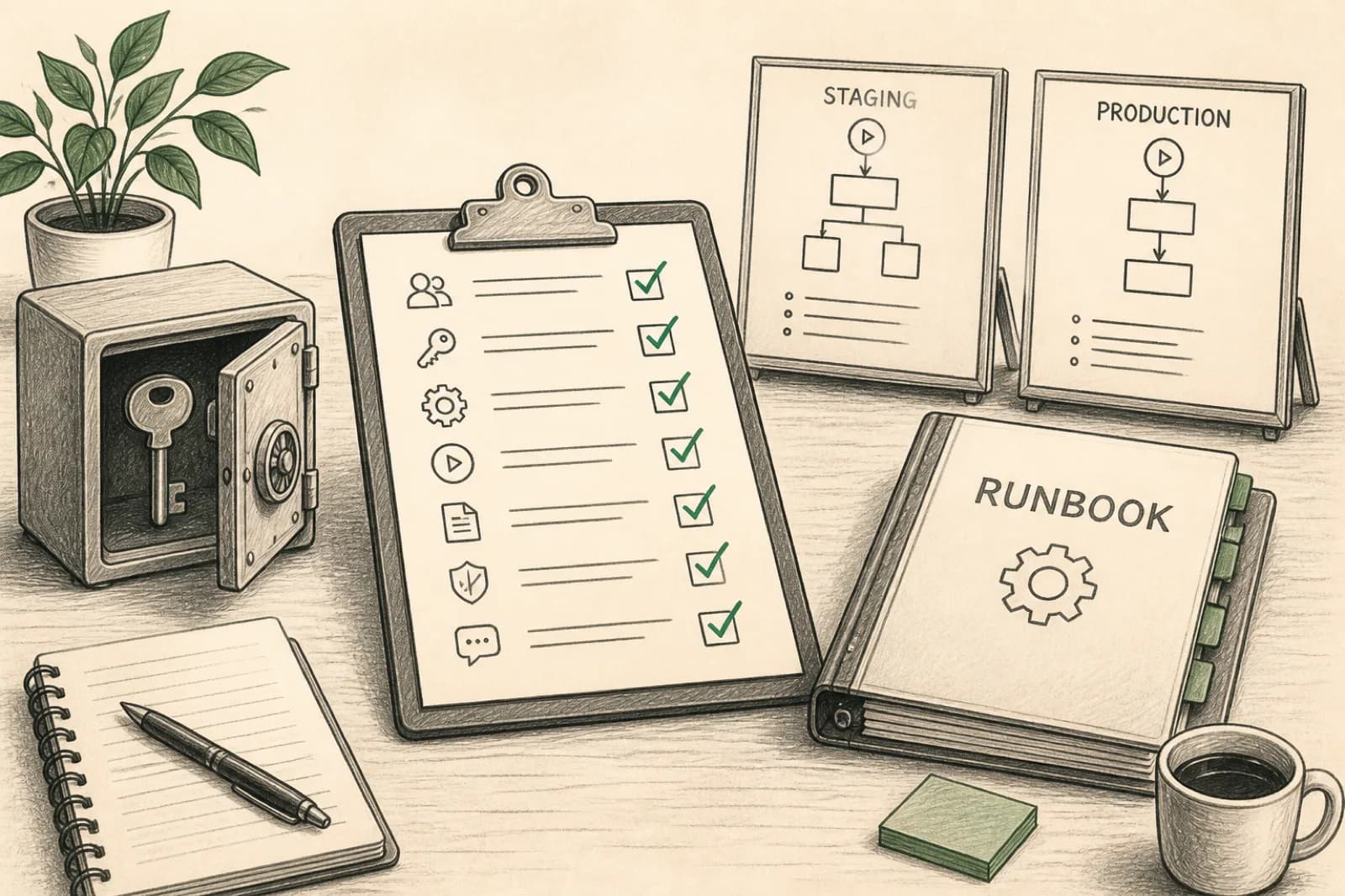
A practical onboarding checklist:
- Confirm HQ location, delivery model, and working-hour overlap
- Align tools for code, design, chat, and documentation
- Define security access and offboarding steps
- Name product and engineering decision owners
- Agree demo cadence and written status expectations
- Capture architecture principles and definition of done
What good looks like after 60 days
By two months, you should see predictable throughput, decreasing onboarding questions, visible code quality habits, and a backlog that reflects real product learning. You should also see honest risk reporting. Partners who only send green status updates are not managing delivery. They are managing appearances.
You should also notice that decisions happen without every answer waiting for a founder or VP. Remote partners earn trust when they escalate early, propose options with tradeoffs, and keep written records of what changed and why.
Culture without cosplay
Distributed teams still need shared norms: how feedback is given, how disagreement is handled, how demos are prepared, and how wins are recognized. Culture is visible in pull request comments and incident retros more than in office photos. Ask for examples of how the partner handles bad news, scope pressure, and quality tradeoffs.
Also ask how domain learning happens. Remote engineers who never meet customers or read support tickets will optimize locally. Good partners request access to product context and bring sharper questions because of it.
Documentation as a delivery asset
Require architecture notes, runbooks, environment setup guides, and decision records. Remote work without documentation creates fragile dependency on a few chat threads. Documentation is not bureaucracy when it shortens onboarding and incident response.
Keep a living delivery scoreboard: planned versus completed outcomes, open risks, dependency waits, and quality signals such as escaped defects. Shared visibility reduces the temptation to fill status meetings with optimism instead of facts.
Commercial clarity and trust
Discuss rate structures, seniority mix, replacement terms, IP ownership, and confidentiality before work begins. Trust grows when commercial terms and delivery rituals are equally explicit. Avoid partners who overpromise local presence they do not operate. Prefer partners who state where they are based and how worldwide collaboration actually works.
For SolveMotive specifically, expect a Pakistan base, remote worldwide delivery, and no invented US or UAE office storyline. Judge the partnership on engineering quality, communication discipline, and ownership clarity across time zones.
SolveMotive works with teams across the USA, UAE, and worldwide through structured remote delivery from Pakistan. If you want capacity or a dedicated pod without fictional office claims, evaluate the operating system first. Location can support great collaboration. It cannot replace it.
A final reminder: the goal is reliable product progress with clear ownership. A Pakistan-based remote partner can deliver that when the engagement is designed for distributed reality, measured honestly, and staffed with engineers who care about maintainable outcomes.